
就近原则有以下几种:当并列两个主语时,谓语采用就近原则:1、there be有(加粗的为常考短语)。
2、neither…nor既不……也不……。
3、either…or不是……就是……;要么……要么……。
4、whether…or是……还是……。
就近原则 也称“邻近原则”“就近一致原则”,即:谓语与靠近的名词、代词(有时不一定是主语)在“人称、数”上一致。
与其相对的还有“就远原则”。
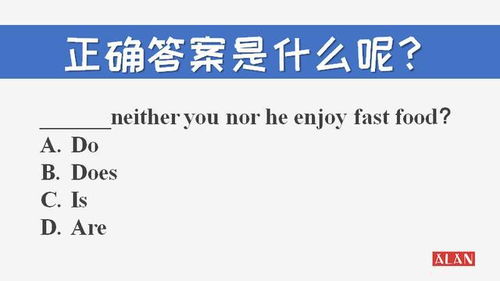
初中英语里的就近原则有:一、由下列词语连接的并列主语:"there be+句型; or ; either …or;nor; neither…nor;whether…or;not…but; not only…but also" ; 等。
例:①What he does or what he says does 。
法律分析:初中英语里的就近原则有:由下列词语连接的并列主语:"there be+句型; or ; either …or;nor; neither…nor;whether…or;not…but; not only…but also" ;法律依据:《义务教育法》义务教育是国家统一实施。

就远原则 1. as well as;2.(together/along)with;3. except; besides;4. but;邻近原则(Proximity) 以either…or, or, neither…nor和not only…but also,whether…or;not…but; not only…but also 等连接的两。